


China Tel: +86-13761540945
Thailand Tel: +66 99 109 1956
Thailand Tel: +66 92 242 5845
liwu78465@gmail.com



Supermarket Shelves Supplier
-
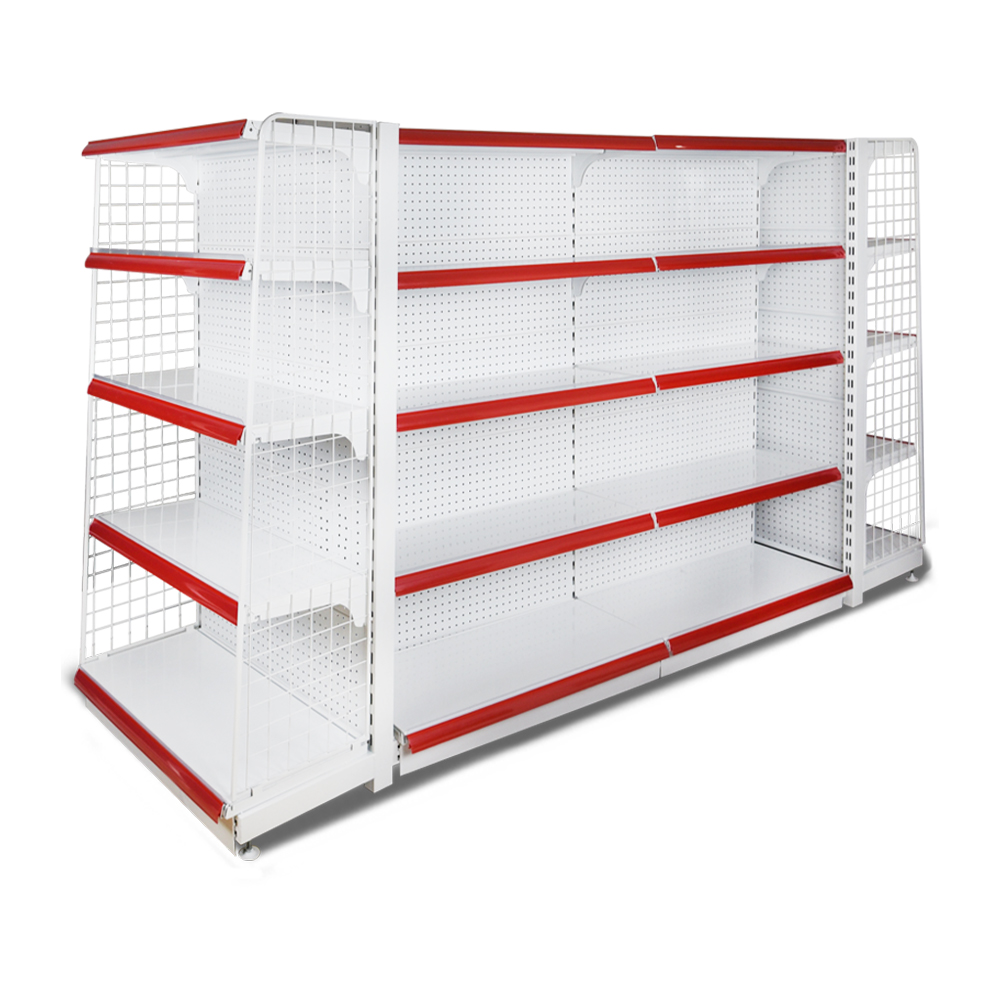 Adjustable Store Rack System for Retail Shop Convenience Store Shelving
【Double-Sided Retail Display Storage Rack】 This innovative retail display rack features a double-side...
-
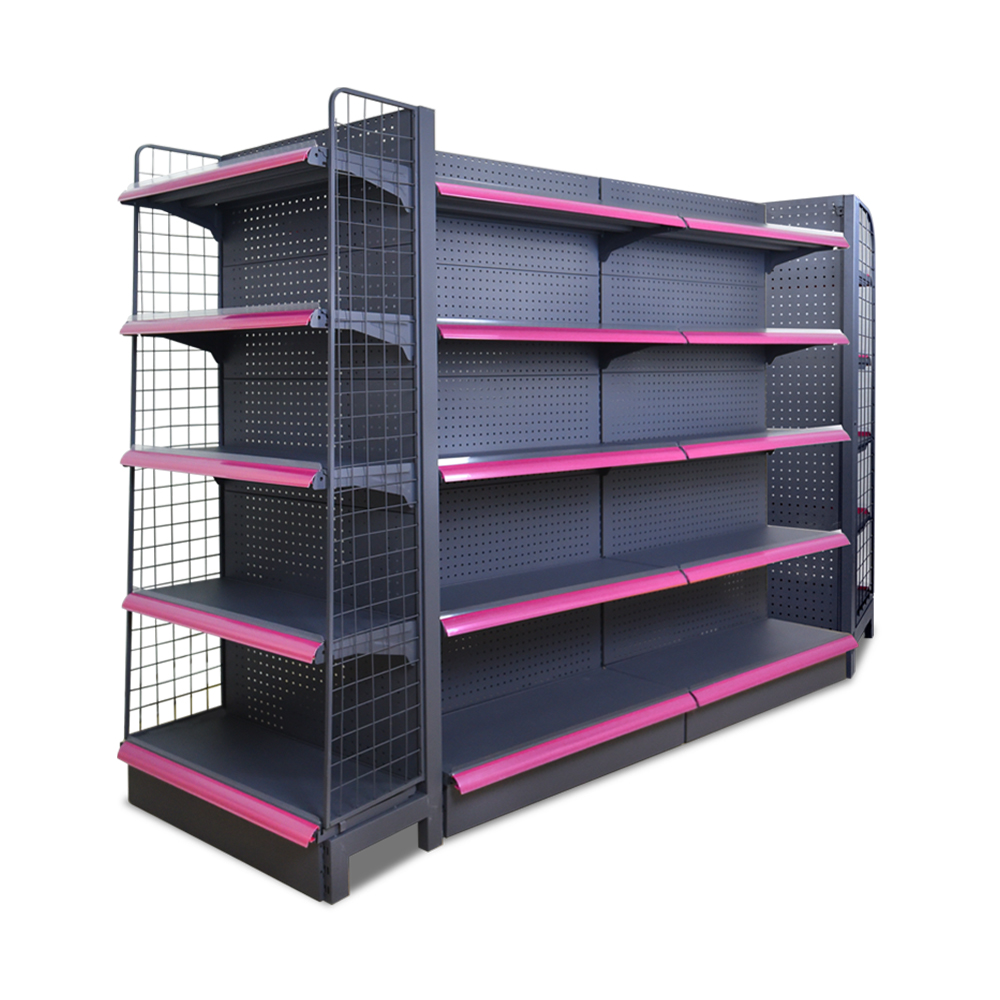 Adjustable Modular Shelving for Retail & Convenience Stores
【Maximize Your Retail Store's Sales Potential】 This double-sided display rack allows you to show...
Supermarket shelves are multi-layer, modular storage and display units designed specifically for retail environments, used to organize and showcase a variety of daily necessities, food, and commodities.
Application Scenarios
Supermarkets, convenience stores, grocery stores, and wholesale markets; suitable for displaying snacks, beverages, daily necessities, toiletries, and packaged foods.
What Sets Us Apart
Who We Are
Better Shelving, Better Business
Shanghai King Global Shelf Co.,Ltd. is a leading manufacturer of shelving and storage solutions for
logistics and warehousing. Specializing in home racks, industry heavy-duty shelving, and warehouse
optimization systems. Founded in 2010, we have built strong production capability with a modern facility,
experienced team, and reliable quality control. We are China Supermarket Shelves Supplier and Wholesale Supermarket Shelves Factory, our products are designed to improve display, storage
efficiency, and space utilization for different markets. With stable quality, flexible solutions,
and responsive service, we support customers in both domestic and overseas markets.
About Us
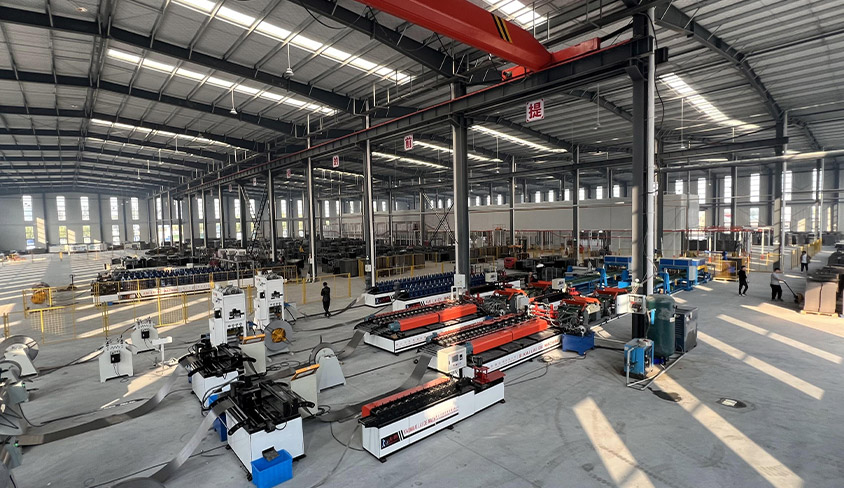


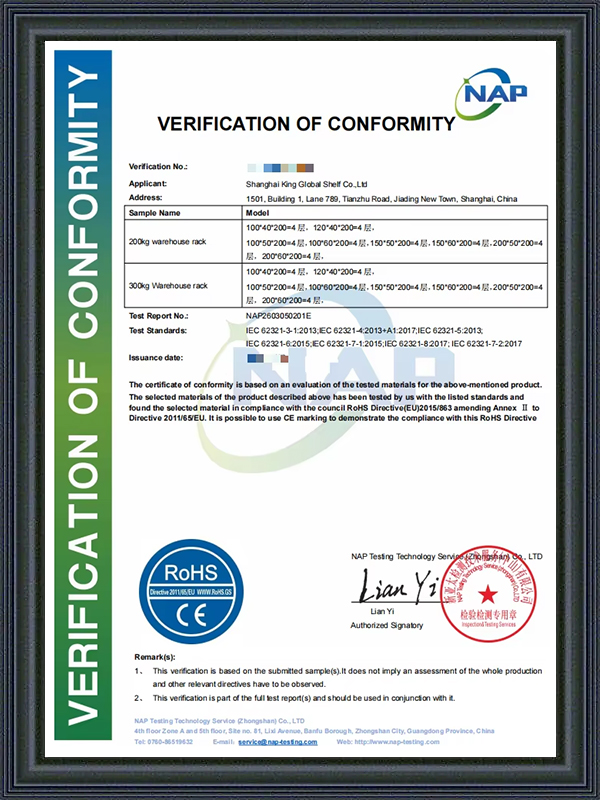
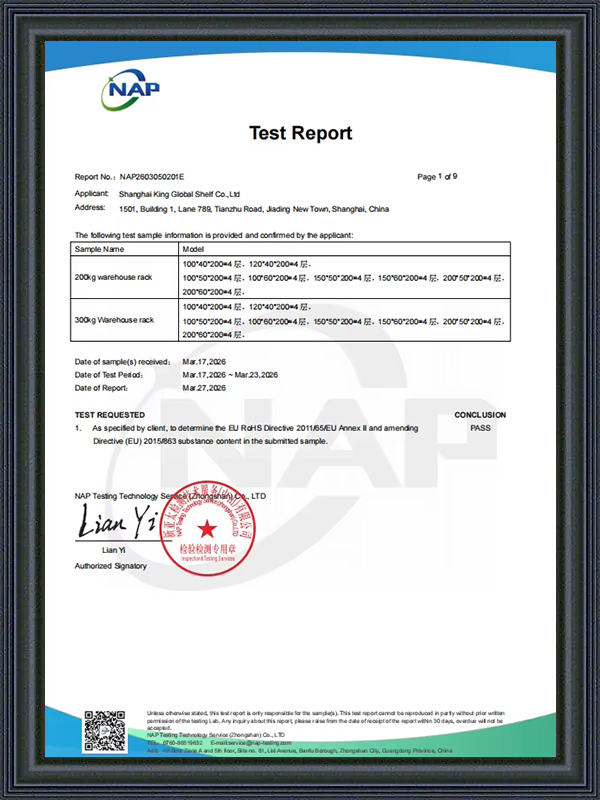
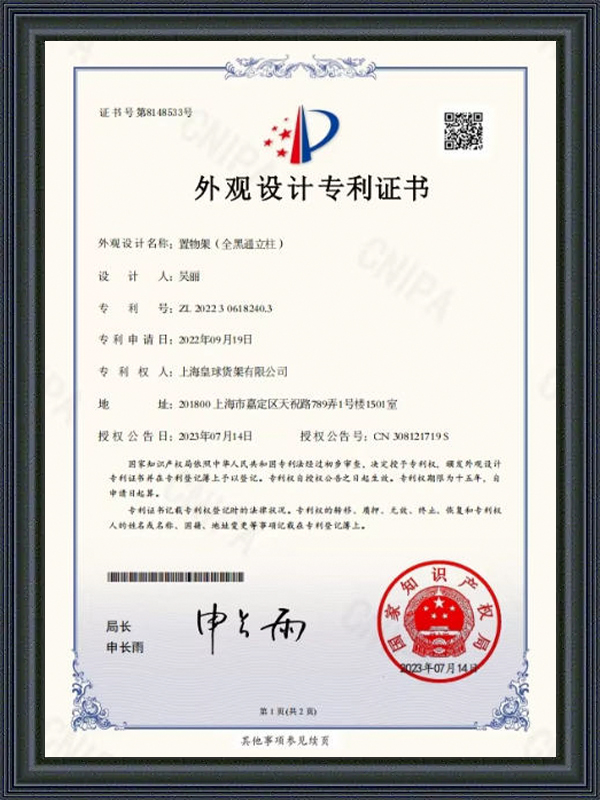
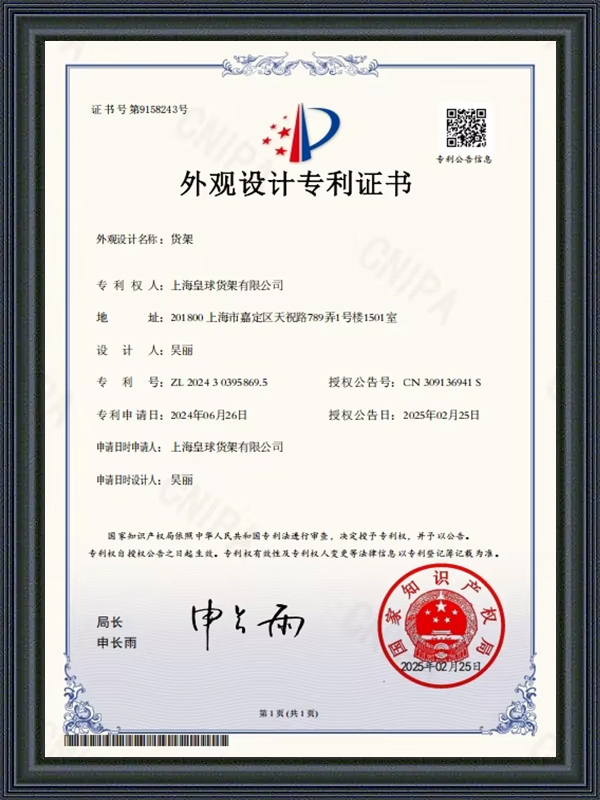
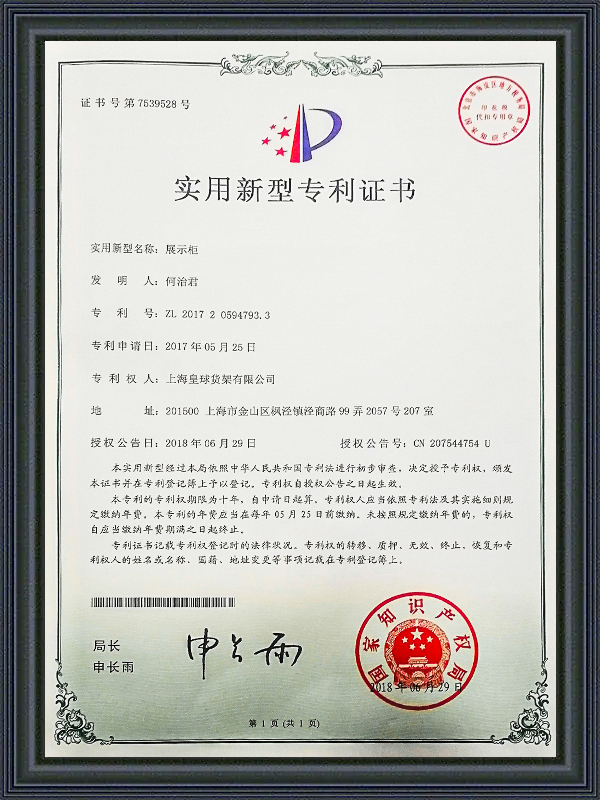
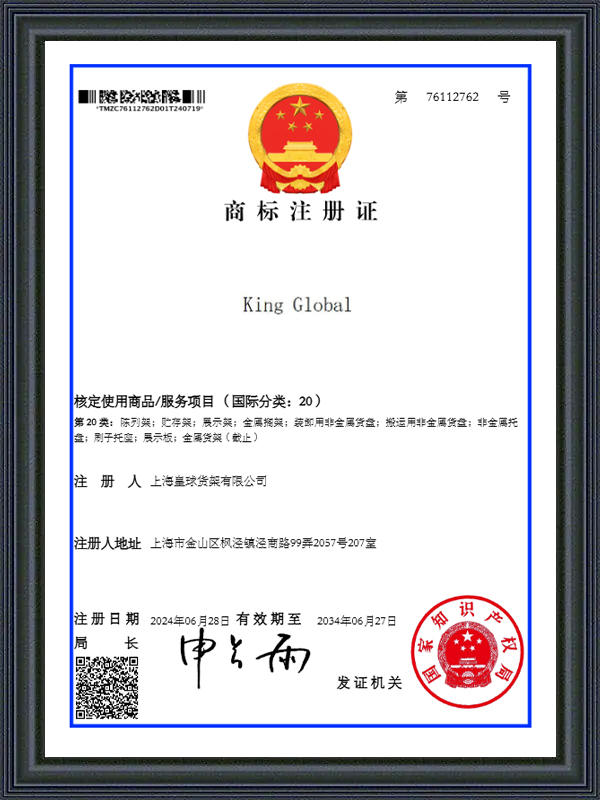
Honor
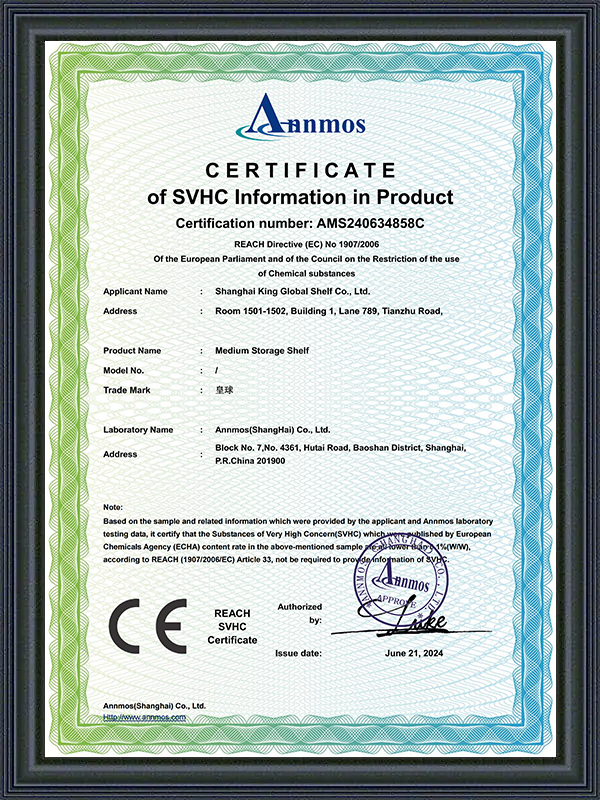
Certificate Of Honor

-

 2026-06-11
 Company News
-
2026-06-11
Company News
-
2026-06-11
Company News
Feedback
Message Feedback
Knowledge
Supermarket Shelves Industry knowledge
1. Forbhreathnú ar Seilfeanna Ollmhargadh
Seilfeanna ollmhargadh is aonaid ilshraitheacha, modúlacha stórála agus taispeána iad atá deartha go sonrach le haghaidh timpeallachtaí miondíola, a tógadh chun éagsúlacht leathan riachtanas laethúil, bia pacáistithe agus tráchtearraí ginearálta a eagrú agus a chur i láthair ar bhealach inrochtana agus ordúil. Murab ionann agus racáil stórais, a dhéantar innealtóireacht go príomha le haghaidh stórála mórchóir, comhcheanglaíonn seilfeanna ollmhargadh cobhsaíocht struchtúrach le gnéithe atá dírithe ar thaispeántais cosúil le painéil seilf inchoigeartaithe, ráillí clibeanna praghais, agus leagan amach tosaigh oscailte a ligeann do chustaiméirí táirgí a fheiceáil agus a roghnú go díreach ón seilf. Tá an fráma de ghnáth-seilf ollmhargadh tógtha as cruach fuar-rollta, déanta i gcuaillí díreacha agus painéil seilfe cothrománacha is féidir a athshuíomh chun freastal ar tháirgí ar airde éagsúla. Toisc go n-éilíonn timpeallachtaí miondíola cur i láthair amhairc agus úsáid éifeachtach spáis urláir, tá seilfeanna ollmhargadh deartha chun infheictheacht táirgí a chothromú le lorg réasúnta dlúth ar na pasáistí. Is é an meascán seo d'fheidhm struchtúrach agus cuspóir taispeána a dhéanann idirdhealú idir seilfeanna ollmhargadh ó chatagóirí eile de threalamh stórála a úsáideadh níos luaithe sa slabhra soláthair.
Ligeann struchtúr sraitheach na seilfeanna ollmhargadh do mhiondíoltóirí táirgí a eagrú de réir catagóire, méid, nó ráta láimhdeachais, ag cur earraí a cheannaítear go minic ag airde inrochtana agus ag an am céanna ag coimeád leibhéil uachtair nó íochtair d'earraí pacáistithe níos moille nó níos moille. Is gné choitianta iad painéil seilf inchoigeartaithe ar fud fhormhór na gcóras seilfeanna ollmhargadh, rud a ligeann don spásáil ingearach idir leibhéil a athrú de réir mar a athraíonn éagsúlacht táirgí i rith na bliana. Tacaíonn an inoiriúnaitheacht seo le miondíoltóirí agus iad ag athchumrú leagan amach aisle le haghaidh promóisin shéasúracha, tabhairt isteach táirgí nua, nó athruithe ar phleanáil iomlán na stór gan athsholáthar a dhéanamh ar bhunstruchtúr na seilfe.
2. Dearadh Struchtúrtha agus Prionsabal Oibre
(1) Comhpháirteanna Croí
Tá prionsabal oibre na seilfeanna ollmhargadh bunaithe ar fhráma stíl gondola, ina dtacaíonn cuaillí ingearacha ingearacha le painéil seilfe cothrománacha trí phointí nasctha slotáilte feadh fad an phoist. Dáileann pláta bonn ar leibhéal an urláir meáchan comhcheangailte an fhráma agus na dtáirgí stóráilte, agus is minic a chuirtear painéal cúil san áireamh chun docht struchtúrach a sholáthar agus, in aonaid gondola dhá thaobh, chun dhá shraith seilfeanna suite cúl le cúl a scaradh. De ghnáth cruthaítear painéil seilf iad féin ó leathán cruach bréifnithe nó cothrom, uaireanta críochnaithe le dromchla laminate le haghaidh cuma miondíola níos glaine, agus luíonn siad ar lúibíní a lúbann isteach sna uprights slotted ag airde éagsúla. Is minic a úsáideann caipíní deiridh, atá suite ag deireadh reáchtáil gondola, cumraíocht painéil beagán difriúil chun tacú le taispeántais chun cinn nó socrúcháin táirgí ard-infheictheachta. Is minic a chomhtháthaítear ráillí clibeanna praghais nó sealbhóirí lipéid feadh imeall tosaigh gach painéil seilf, ag tacú leis an bhfeidhm mhiondíola maidir le praghsáil táirgí agus faisnéis a shainaithint go soiléir do shiopadóirí.
(2) Comparáid Cumais Luchtaigh ar fud na Cineálacha Seilf
Sula ndéantar athbhreithniú ar an gcairt thíos, tá sé úsáideach a thuiscint conas a athraíonn acmhainn ualaigh go ginearálta trasna cumraíochtaí coitianta seilfeanna ollmhargadh. Tagraíonn acmhainn sa chomhthéacs seo don neasmheáchan is féidir le leibhéal seilf amháin a sheasamh gan sraonadh suntasach, a bhraitheann ar ábhar painéil, dearadh lúibíní, agus tiús iomlán an fhráma. Is gnách go mbíonn cumraíochtaí níos éadroime oiriúnach d’earraí dlútha amhail sneaiceanna nó earraí maisíochta, agus tógtar cumraíochtaí níos troime chun tacú le hearraí pacáistithe níos toirtiúla ar nós deochanna nó táirgí stánaithe. Cuidíonn tuiscint ar an ngaol seo le miondíoltóirí cumraíocht seilf a mheaitseáil leis na catagóirí táirgí sonracha atá beartaithe do phasáiste ar leith. Léiríonn an chairt thíos comparáid léiritheach de ghnáth-réimsí ualaigh in aghaidh an tseilf thar thrí chomhchumraíocht seilfe ollmhargadh.
Léiríonn an bharrachairt thuas patrún ginearálta a fuarthas trasna cumraíochtaí coitianta seilfe ollmhargadh, ag taispeáint mar a mhéadaíonn acmhainn ualaigh in aghaidh na seilfe de réir mar a éiríonn an fráma agus an tógáil painéil níos láidre. Mar a thaispeántar, áitíonn seilfeanna taispeántais balla an foirceann íochtair den raon, de ghnáth ag tacú le idir daichead agus ochtó cileagram in aghaidh an leibhéil, a oireann do mhíreanna éadroma cosúil le sneaiceanna, earraí maisíochta beaga, agus earraí pacáistithe a chuirtear go coitianta feadh ballaí imlíne i siopaí áise agus i bhformáidí grósaeireachta níos lú. Tá seilfeanna Gondola, an chumraíocht is mó a úsáidtear in ollmhargaí, i lár na cairte, ag tacú go ginearálta idir ochtó agus céad caoga cileagram in aghaidh an tseilf, rud a fhágann go bhfuil sé oiriúnach do mheascán leathan de bhia pacáistithe, deochanna i bhformáidí níos lú, agus earraí tí ginearálta ar taispeáint feadh aisles lárnacha. De ghnáth tacaíonn seilfeanna taispeána troma, a thaispeántar ag barr na cairte, os cionn céad caoga cileagram in aghaidh an leibhéil agus úsáidtear é le haghaidh táirgí níos toirtiúla nó níos dlúithe ar nós deochanna ilphacáiste, earraí stánaithe, nó míreanna i málaí a éilíonn painéal níos déine agus córas lúibíní. Léiríonn an dul chun cinn seo difríochtaí i dtiús painéil agus doimhneacht rannpháirtíochta lúibíní a úsáidtear thar na trí chumraíocht, cosúil i bprionsabal leis an gcaoi a ndéantar scálaí acmhainne ualaigh thar chatagóirí seilfeanna agus racála eile. Maidir le miondíoltóir nó leagan amach aisle pleanála don mhargadh mórdhíola, cuireann an chomparáid seo pointe tagartha úsáideach ar fáil agus catagóirí táirgí á sannadh do chineálacha seilfe ar leith. D'fhéadfadh sraonadh nó éagobhsaíocht painéil a bheith mar thoradh ar líne táirge dlúth, trom a chur ar seilfeanna balla éadroma le himeacht ama, agus d'fhéadfadh úsáid a bhaint as seilfeanna taispeána troma ar fud stór iomlán le haghaidh míreanna éadroma méadú gan ghá ar an gcostas struchtúrach gan feidhmíocht fheidhmiúil a fheabhsú. Mar sin tacaíonn próifíl meáchain an táirge le cumraíocht oiriúnach seilfe ollmhargadh le hiontaofacht struchtúrach agus le húsáid éifeachtach spás urláir miondíola. Feidhmíonn an chairt thuas mar phointe tosaigh don chineál seo cleachtadh meaitseála catagóir go seilf le linn pleanála leagan amach stórais.
3. Cineálacha Coiteann agus Saintréithe na Seilfeanna Ollmhargadh
Tá seilfeanna ollmhargadh ar fáil i bhformáidí éagsúla, gach ceann acu a oireann do shuíomh áirithe aisle, cineál táirge nó cuspóir taispeána.
- Seilf balla aontaobhach: suite nó suite ar bhallaí imlíne an stórais, a úsáidtear go coitianta le haghaidh míreanna níos lú agus leagan amach srianta spáis.
- Seilf gondola dhá thaobh: aonaid neamhspleácha curtha ar na pasáistí lárnacha, ag tairiscint rochtain seilf ón dá thaobh chun úsáid éifeachtach a bhaint as spás urláir.
- Seilf taispeántais caipín deiridh: suite ag deireadh reáchtáil gondola, a úsáidtear go minic le haghaidh socrúchán táirgí chun cinn nó séasúrach mar gheall ar infheictheacht ard siopadóir.
- Seilf taispeántais sreinge nó ciseán: ionchorpraíonn sé ailt mogalra nó ciseán, a úsáidtear go coitianta le haghaidh sneaiceanna pacáistithe scaoilte, arán, nó earraí a tháirgeadh.
- Seilf taispeána trom: dearadh painéil agus lúibín athneartaithe atá beartaithe le haghaidh earraí pacáistithe níos toirtiúla nó níos dlúithe.
Tá tréith choiteann na seilfeanna ollmhargadh ag gach ceann de na formáidí seo: fráma modúlach inchoigeartaithe atá deartha chun tacaíocht struchtúrach a chomhcheangal le cur i láthair soiléir táirgí, rud a ligeann do mhiondíoltóirí an chumraíocht is fearr a oireann d'aisle, catagóir táirgí agus leagan amach stórais a roghnú.
4. Cásanna Iarratais agus Pointí Roghnúcháin
(1) Croí-Chásanna Iarratais
Cuirtear seilfeanna ollmhargadh i bhfeidhm ar raon suíomhanna miondíola agus mórdhíola áit a bhfuil taispeáint eagraithe táirge ríthábhachtach d’oibríochtaí laethúla.
- Ollmhargaí: ag eagrú agus ag taispeáint bia pacáistithe, deochanna, agus riachtanais laethúla trasna pasáistí lárnacha agus ballaí imlíne.
- Siopaí áise: taispeáint dhlúth ar shneaiceanna, deochanna, agus earraí beaga tí laistigh de lorg urláir teoranta.
- Siopaí grósaera: meascán d'earraí pacáistithe agus scaoilte a chur i láthair, is minic a chomhcheanglaíonn seilfeanna gondola le hailt ciseán nó sreang.
- Margaí mórdhíola: ag taispeáint earraí pacáistithe mórchóir agus earraí maisíochta nuair is minic a bhíonn gá le hacmhainn ualaigh níos airde in aghaidh an tseilf.
(2) Forbhreathnú ar Chritéir Roghnúcháin
Má roghnaítear cumraíocht oiriúnach seilfe ollmhargadh ní mór roinnt fachtóirí a bhaineann go sonrach le miondíola a mheá i gcoinne a chéile. Imlíníonn an chairt radair thíos cúig thoise meastóireachta a ndéantar tagairt dóibh go coitianta a úsáidtear nuair a dhéantar comparáid idir roghanna seilfe le haghaidh taispeáint miondíola agus stórála. Tá an t-amharc seo beartaithe mar thagairt oideachais ghinearálta seachas mar rátáil ar aon táirge ar leith, agus léiríonn sé tréithe a bhaineann go ginearálta le catagóir na seilfe ollmhargadh ina iomláine. Trí na toisí seo a athbhreithniú le chéile cuidítear le soiléiriú a dhéanamh ar an gcumraíocht is dócha a oireann do leagan amach siopa nó do mheascán táirgí ar leith. Áirítear leis na cúig thoise infheictheacht taispeána, éifeachtúlacht spáis, cumas ualaigh, marthanacht, agus solúbthacht thar chatagóirí táirgí éagsúla.
Léiríonn an chairt radair thuas conas mar a scórálann gnáth-seilf ollmhargadh thar chúig thoise meastóireachta a ndéantar tagairt dóibh go coitianta i gcoibhneas leis an raon is mó is féidir ar gach ais. Mar a léiríonn an limistéar scáthaithe, léirítear infheictheacht taispeána mar tréith sách láidir, rud a léiríonn dearadh an phainéil tosaigh oscailte is coiteann do fhormhór na bhfoirmíochtaí seilfeanna ollmhargadh a ligeann do tháirgí a bheith infheicthe go soiléir agus inrochtana do shiopadóirí. Tá éifeachtúlacht spáis le feiceáil go feiceálach freisin, go háirithe maidir le seilfeanna gondola dhá thaobh, a cheadaíonn dhá shraith de thaispeántas táirgí chun struchtúr aonair neamhspleách a roinnt ar feadh pasáiste lárnach. Léirítear solúbthacht ag leibhéal measartha ard, ós rud é go gceadaíonn painéil seilf inchoigeartaithe an fráma céanna chun freastal ar raon leathan de mhéideanna táirgí, ó earraí beaga leithris go dtí earraí pacáistithe níos mó, go simplí trí lúibíní seilfe a athshuíomh. Suíonn an toilleadh ualaigh i dtreo lár na cairte, rud a léiríonn cuspóir ginearálta na seilfeanna ollmhargadh, a thugann tosaíocht do chur i láthair táirgí inrochtana thar na hualaí struchtúracha níos airde a bhaineann le racáil stórais mórchóir. Léirítear marthanacht ag leibhéal measartha, ag teacht leis an tógáil cruach is coiteann don chuid is mó de na frámaí gondola, cothrom le dearadh an phainéil níos éadroime a úsáidtear chun an struchtúr iomlán a choinneáil inrochtana ó thaobh amhairc seachas cuma thionsclaíoch mór. Nuair a mhapálann miondíoltóir a thosaíochtaí leagan amach féin ar chairt mar seo, bíonn sé níos fusa a aithint cén chumraíocht seilf is fearr a thacaíonn le aisle nó le catagóir táirge áirithe. Mar shampla, d’fhéadfadh aisle atá tiomnaithe do dheochanna agus d’earraí stánaithe tosaíocht a thabhairt d’acmhainn ualaigh, ag díriú i dtreo seilf taispeána trom, agus d’fhéadfadh aisle imlíne le haghaidh earraí maisíochta tosaíocht a thabhairt d’infheictheacht taispeána agus d’éifeachtúlacht spáis, ag díriú i dtreo seilfeanna caighdeánacha balla nó gondola ina ionad sin. Uirlis phraiticiúil pleanála is ea an cineál seo léirshamhlaithe comparáideach le linn leagan amach an tsiopa a dhearadh, rud a chabhraíonn le heasaontas a sheachaint idir cumraíocht na seilfe agus na táirgí atá beartaithe d’ionad ar leith. Treisíonn sé freisin gur fearr seilfeanna ollmhargadh, cosúil le catagóirí seilfeanna eile, a roghnú trí dhearcadh comhcheangailte ar roinnt tosaíochtaí oibríochtúla seachas trí fhachtóir amháin.
5. Cumraíochtaí Scairbh Ollmhargadh a Chomparáid
Tugann an tábla thíos achoimre ar na difríochtaí ginearálta i measc cumraíochtaí coitianta seilfeanna ollmhargadh thar roinnt toisí praiticiúla, ag tairiscint pointe tagartha do mhiondíoltóirí a dhéanann comparáid idir na roghanna atá ar fáil.
| Cumraíocht | Luchtaigh In aghaidh na Seilf | Socrúchán Tipiciúil | Táirgí Coitianta |
|---|---|---|---|
| Seilf Taispeána Balla | 40-80 kg | Ballaí imlíne | Sneaiceanna, earraí maisíochta, earraí pacáistithe beaga |
| Seilf Gondola | 80-150 kg | Trasnaí lárnacha | Bia pacáistithe, deochanna, earraí tí |
| Seilf Taispeána Trom | 150-250 kg | Pasanna earraí mórchóir, margaí mórdhíola | Deochanna ilphacáiste, earraí stánaithe agus i málaí |
Mar a thaispeántar sa tábla, léiríonn gach cumraíocht seilf ollmhargadh cothromaíocht dhifriúil idir cumas ualaigh agus feidhm taispeána, agus is é sin an fáth go n-úsáideann an chuid is mó de na siopaí meascán de chumraíochtaí ar fud aisles éagsúla seachas cineál seilf aonfhoirmeach amháin ar fud an phlean urláir ar fad.
6. Shelf Height Adjustment Principles
Most supermarket shelf systems allow the vertical spacing between shelf panels to be adjusted, accommodating products of different heights within the same gondola frame. Before reviewing the line chart below, it is useful to understand that supermarket shelf uprights typically include a series of slotted connection points spaced along their height, into which shelf brackets are hooked at the desired level. These connection points allow shelf panels to be raised or lowered depending on whether the aisle is displaying shorter items such as canned goods or taller items such as beverage bottles or boxed products. The chart illustrates how the number of available connection points relates to the range of practical shelf height configurations across a typical gondola upright. This adjustability is a defining feature that allows retailers to reconfigure aisles for new product lines without replacing the shelf structure itself.
The line chart above shows a general upward relationship between the number of connection points along a supermarket shelf upright and the number of usable shelf height configurations available to store staff. As the chart demonstrates, an upright with only a small number of connection points restricts shelf spacing to a limited number of fixed positions, which may be adequate for an aisle displaying a single uniform product size but limiting for one carrying a varied assortment. As the number of connection points increases, represented along the horizontal axis, the number of practical shelf configurations rises correspondingly, shown by the upward trend of the line. This relationship is particularly relevant to supermarkets and grocery stores that regularly rotate product assortments in response to seasonal demand or new product introductions, since a finely adjustable shelf allows store staff to reconfigure an aisle quickly rather than requiring new equipment. A convenience store carrying a narrow, consistent product range may not require extensive adjustability, while a larger supermarket managing thousands of distinct SKUs across varying package sizes benefits significantly from shelving offering a wider range of height positions. The chart also shows the trend continuing to rise steadily across the full range presented, suggesting that finer adjustment intervals continue to add practical value rather than reaching an early plateau. In typical installations, connection points on a supermarket shelf upright are spaced at regular intervals, allowing store staff to reposition shelf brackets without specialized tools during routine merchandising updates. This adjustability also supports better use of vertical aisle space, since shorter products can be placed on closely spaced shelves without leaving excess unused clearance above them. From an operational standpoint, faster shelf reconfiguration reduces the labor time associated with seasonal resets or promotional layout changes. Retailers that frequently update product placement based on sales performance or promotional calendars tend to place a higher priority on this type of adjustability when selecting shelf systems. Overall, the chart reinforces why shelf height adjustability is frequently highlighted as a practical advantage of modern supermarket shelf systems.
7. Maintenance Guidance for Supermarket Shelves
Routine maintenance helps preserve both the structural stability and the visual presentation quality of supermarket shelves, which are handled frequently by both staff and shoppers throughout the day. Before reviewing the column chart below, it is worth outlining the general inspection categories commonly scheduled for retail display shelving. These categories range from simple visual and cleanliness checks performed frequently to more detailed structural reviews performed less often. Understanding the relative frequency of each inspection type helps store staff plan a maintenance routine suited to daily foot traffic and restocking activity. The chart below presents a general illustration of how often each inspection category is commonly scheduled within a calendar year.
The column chart above provides a general overview of how frequently different inspection categories are commonly scheduled for supermarket shelves in a typical retail environment. Visual and cleanliness checks appear as the most frequent category, often performed multiple times per week or even daily, since shelf surfaces are in constant contact with restocked merchandise, price labels, and shopper handling, making regular tidying and inspection a routine part of store operations. Bracket checks are shown at a lower frequency, commonly reviewed quarterly, focusing on whether shelf brackets remain securely hooked into the upright slots and whether any panels show signs of shifting or uneven loading. Frame stability checks, which involve a closer look at the overall gondola structure, back panels, and base plate condition, are depicted at an even lower frequency, often reviewed twice a year as part of broader store maintenance planning. Deep inspection, representing the most thorough review of the entire shelving system, including load bearing components and structural joints, is shown at the lowest frequency, typically conducted once annually or after a significant store layout change. This general pattern reflects a common approach to maintaining retail display shelving, where lighter and more frequent checks focused on appearance and restocking are paired with less frequent but more detailed structural reviews. Following a routine along these lines can help identify early signs of wear, such as loose brackets, panel sagging, or surface damage from repeated restocking, before they affect product presentation or shelf stability. Keeping shelf surfaces clean also supports the retail function of supermarket shelves by maintaining a presentable appearance for shoppers throughout the day. Store staff who document inspection dates and observations over time tend to build a clearer picture of how a particular shelving system performs under the specific foot traffic and restocking pattern of their location. This kind of structured maintenance approach supports the long term reliability of supermarket shelves across continuous daily retail operation.
8. Manufacturing Background and Production Considerations
The performance of supermarket shelves depends heavily on panel flatness, bracket precision, and surface finish quality, since these details directly affect both structural stability and the visual presentation shoppers see in-store. Shanghai King Global Shelf Co., Ltd., established in 2010, has developed production capability centered on shelving and storage solutions across multiple markets, supporting retailers seeking consistent panel dimensions and reliable bracket engagement for gondola and display shelving. Facilities sourcing retail shelving benefit from stable manufacturing processes, since even minor variations in panel thickness or bracket tolerance can affect how evenly a shelf load is distributed or how smoothly panels adjust during merchandising updates. Corrosion resistant surface finishing is also a relevant consideration for supermarket shelves, particularly in humid climates or store formats with frequent cleaning routines that expose steel components to moisture over time. A stable production process supports the layout planning discussed earlier in this article, since predictable frame and panel dimensions make it easier for store planners to calculate aisle spacing and shelf counts during a store design or renovation project. Beyond the physical shelving components, layout consultation support can help align a retailer's specific merchandising plan with an appropriate mix of wall, gondola, and end cap shelving before installation begins.
9. Frequently Asked Questions
(1) What is the typical load capacity of supermarket shelves?
Load capacity varies by configuration, with wall display shelves typically supporting 40 to 80 kilograms per level, gondola shelves supporting 80 to 150 kilograms, and heavy display shelves accommodating 150 kilograms or more depending on panel and bracket design.
(2) How are supermarket shelves different from warehouse racking?
Supermarket shelves are designed for open, accessible product display with features such as price tag rails and adjustable panels, while warehouse racking is primarily engineered for bulk storage and does not typically prioritize front-facing product visibility.
(3) Can the shelf height be adjusted after installation?
Most supermarket shelf systems use slotted uprights with multiple connection points, allowing shelf panels to be raised or lowered to accommodate different product heights as store assortments change.
(4) What settings commonly use supermarket shelves?
Supermarket shelves are commonly used in supermarkets, convenience stores, grocery stores, and wholesale markets for displaying snacks, beverages, daily necessities, toiletries, and packaged foods.
(5) How often should supermarket shelves be inspected?
Visual and cleanliness checks are commonly performed frequently, such as daily or several times a week, while more detailed bracket and structural reviews are typically scheduled at longer intervals, such as quarterly or annually, depending on store traffic.
10. Summary
Supermarket shelves provide a practical, adjustable storage and display solution across supermarkets, convenience stores, grocery stores, and wholesale markets, balancing structural support with clear product presentation. Their various configurations, from lightweight wall shelving to reinforced heavy display shelving, allow retailers to match shelf selection to specific product categories, load requirements, and aisle layouts. Understanding the structural principles, common types, selection criteria, and maintenance practices associated with supermarket shelves supports more informed decision making when planning retail storage and merchandising operations.
Get exclusive deals and early access to new products.
Experienced staff and experts are always available to provide you with professional guidance and solutions to technical problems.
Mobile
-
Quick Links
Home Products Cooperation Cases Company Service News Contact Us -
Product
Warehouse Rack Pallet Racking Mezzanine Racking Cantilever Racks Supermarket Shelf Office & Home Shelves -
Contact Us

E-mail: liwu78465@gmail.com

WhatsApp: 8613761540945

China Tel: +86-13761540945
Thailand Tel: +66 99 109 1956 (Line Same)
Thailand Tel: +66 92 242 5845 (Line Same)

China Address:Room 1501, Building 1, Lane 789, Tianzhu Road, Jiading District, Shanghai, China.
USA Address: 23787 Eichler St, Unit G, Hayward, CA 94545.
Malaysia Address: METROHUB 2 Warehouse 4, Lot 109363, Persiaran Bukit Rajakayangan/KU5,Bandar Bukit Raja, 41050 Klang, Selangor Darul EhsanReturn to Gate 81, Malaysia.
Thailand Address:จังหวัดสมุทรปราการ อำเภอบางเสาธง ตำบลบางเสาธง 32/7 หมู่7 ถนนบางพลี-ตำหรุ บางพลีใหญ่ Bang Phli District, Samut Prakan 10540,(TH)
Cóipcheart ©
Shanghai King Global Shelf Co.,Ltd.
Gach ceart ar cosaint.
Supermarket Shelves Supplier
Wholesale Supermarket Shelves Factory
